Your parking routine sets the price
Where your car is already parked overnight determines your cost more than any other factor. A cheaper rate only helps if it fits your real routine.
An everyday 250 km week
The example needs 45 kWh of electricity. If 90% of that energy is charged at home, mostly on a 15 c/kWh overnight rate, and 10% comes from a 60 c/kWh public charger, the week costs about $10.40. The petrol comparison uses 21.25 litres at the ACCC’s 12 June 2026 national average price of 166.6 cents per litre. Petrol prices change weekly — adjust the petrol price in the calculator to today’s price at your local bowser.
Result: about $10 with the mixed overnight example. At a flat 35 c/kWh home rate, the same energy costs $15.75. The public-charging and petrol comparisons are in the short answer above.
Four charging situations — and what each one costs
| Where charging fits | This guide’s example | What to check |
|---|---|---|
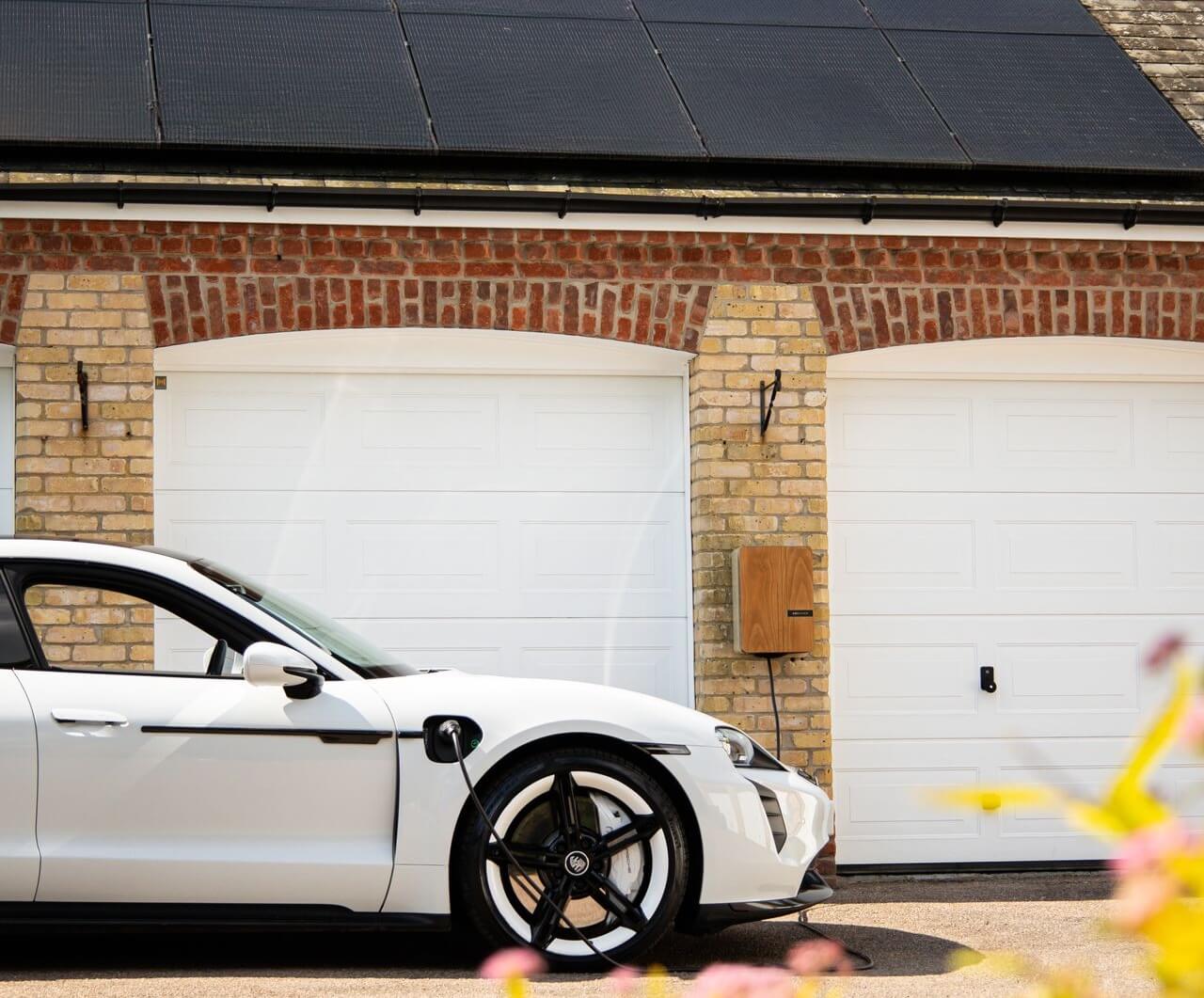
| In the sun | 70% surplus solar, 30% regular home electricity, plus occasional public charging. | The car must actually be home while solar is available. Use the export credit you give up, rather than calling solar free. |
| While you sleep | 80% overnight electricity, 20% regular home electricity, plus occasional public charging. | Your plan, meter and charger schedule must support the cheaper window. Check whether other time periods or demand charges become more expensive. |
| Whenever needed | The regular household usage rate, with some public charging. | Look for the c/kWh usage charge on your bill. The existing daily supply charge is excluded because owning the EV usually does not create it. |
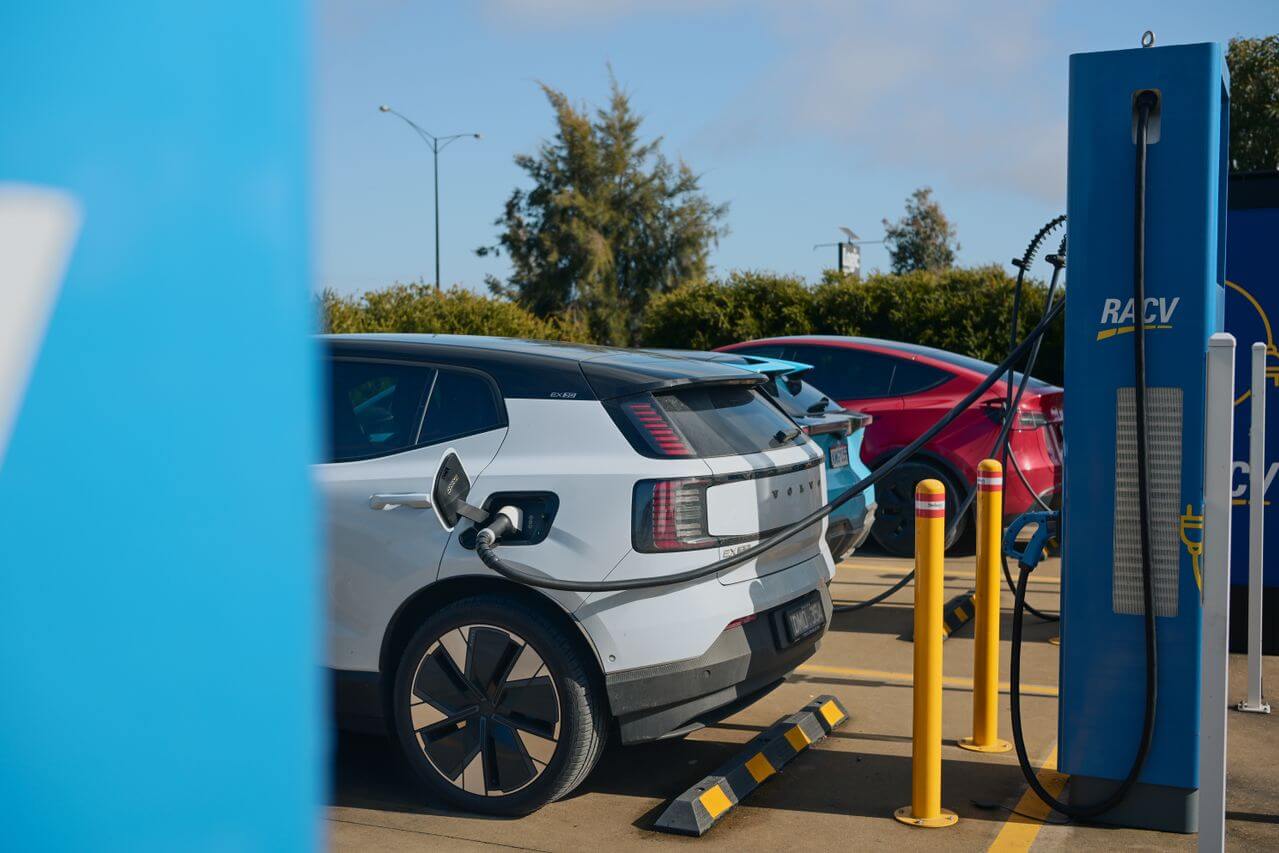
| Out and about | Paid public charging. | Prices vary by network, charger speed, membership and time. Some sites also charge idle or parking fees. |
What could change the answer?
- Your vehicle's efficiency: this guide uses 18 kWh/100 km from the plug — a conservative figure suited to mid-size and larger EVs. Most popular small EVs use 14–16 kWh from the plug; larger SUVs can use 22 kWh or more. The cost scales directly with this number.
- Weather and speed: cold weather, high-speed driving, towing and heavy loads can increase energy use.
- Your electricity plan: a cheap EV window may come with higher peak prices or a demand charge elsewhere on the bill.
- Public-charger extras: idle fees, parking charges and subscriptions are not included in the per-kWh comparison.
How to estimate your own week
- Find your electricity usage rate in c/kWh on your bill, and your public rate in the charging app.
- Be realistic about where the car will be parked. Solar only helps when the car can charge during solar hours.
- Enter the share you expect to charge publicly. Occasional road trips are very different from depending on public charging every week.
- Compare energy cost first. Purchase price, finance, insurance and servicing are separate — this guide covers running costs only.
Common charging-cost questions
Is charging an EV with rooftop solar free?
Not necessarily. If the solar would otherwise be exported, using it in the car means giving up a feed-in credit. Solar equipment also has an upfront cost. For a simple marginal-cost comparison, enter the feed-in tariff you would otherwise receive.
Should I change electricity plans for an EV?
Sometimes, but compare the whole household bill. A very cheap overnight EV rate can be offset by higher peak rates, daily charges or demand charges. Use a free government comparison service where one is available in your state or territory.
Is public charging always more expensive than petrol?
No — see the short answer at the top of this page. The gap closes as charger prices rise: at around 80 c/kWh public charging becomes roughly equal to petrol, and above that it costs more.
Is slow public charging (at hotels or shopping centres) cheaper?
Often yes. Destination chargers — slower AC chargers found at hotels, car parks and shopping centres — typically cost 25–40 c/kWh, well below DC fast-charger prices. Some are free to guests. If your car is going to be parked for several hours anyway, a destination charger can rival home charging on price.
Assumptions and sources
Default electricity rates used by the calculator:
- In the sun: 5 c/kWh for surplus solar (reflecting mid-2026 feed-in tariff levels; rates vary 3–12 c/kWh by state and retailer) and 35 c/kWh for the regular electricity used outside solar hours. The default home mix is 70% solar and 30% regular electricity.
- While I sleep: 15 c/kWh overnight and 35 c/kWh for the regular electricity used outside the overnight window. The default home mix is 80% overnight and 20% regular electricity. OVO Energy's EV Plan offered 4.5 c/kWh midnight–6 am as at July 2026; other EV-specific overnight plans range 8–20 c/kWh.
- Whenever needed: 35 c/kWh for regular home electricity.
- Out and about: 60 c/kWh for public DC fast charging. Chargefox, Evie Networks and Tesla Supercharger ranged 45–70 c/kWh as at July 2026. Slower destination chargers (hotels, car parks) are typically 25–40 c/kWh.
These are editable ChooseEV examples, not Australian averages or offers. Public charging is blended into the selected home situation using the public-charging share in the calculator.
ChooseEV assumes an EV uses 18 kWh/100 km from the plug — a conservative figure for a mid-size EV; small EVs typically use 14–16 kWh, larger SUVs 20–25 kWh. The comparison petrol car defaults to 8.5 L/100 km, broadly representative of an average new Australian passenger vehicle; both figures are editable in the calculator. Costs exclude fixed supply charges, public-charger idle or parking fees and all non-energy ownership costs.
Sources:
- Australian Government: How to charge your electric vehicle — home and public charging, tariffs, solar and public-price guidance.
- Australian Government: Electricity pricing plans and tariffs — usage charges, time-of-use plans, demand charges and feed-in tariffs.
- Australian Government: Find the best energy deal — electricity bill components and official state comparison services.
- ACCC: Weekly fuel price monitoring report, 12 June 2026 — national average retail petrol price of 166.6 c/L on 12 June 2026.
Sources and examples reviewed 13 July 2026.