Replace the day, not the whole battery
Plug in when you get home, the car refills what it used, and by morning it's ready. The only two numbers that matter: how far you drove, and how long the car sits parked.
A normal 40 km day
Result: about four hours. A ten-hour parking window leaves plenty of spare time in this example.
What would that charge cost? Multiply the 7.2 kWh by your electricity usage rate. It costs about $2.16 at 30 cents per kWh, or $1.08 at 15 cents per kWh. The Mode 2 cable and wallbox cost broadly the same to supply that energy when used on the same tariff; the wallbox mainly changes how quickly and conveniently it is delivered.
Normal power point or wallbox?
What each option costs upfront
These are mid-July 2026 retail examples and a basic-installation budget, not a quote for a particular property.
| Option | Equipment cost | Electrical work and likely total |
|---|---|---|
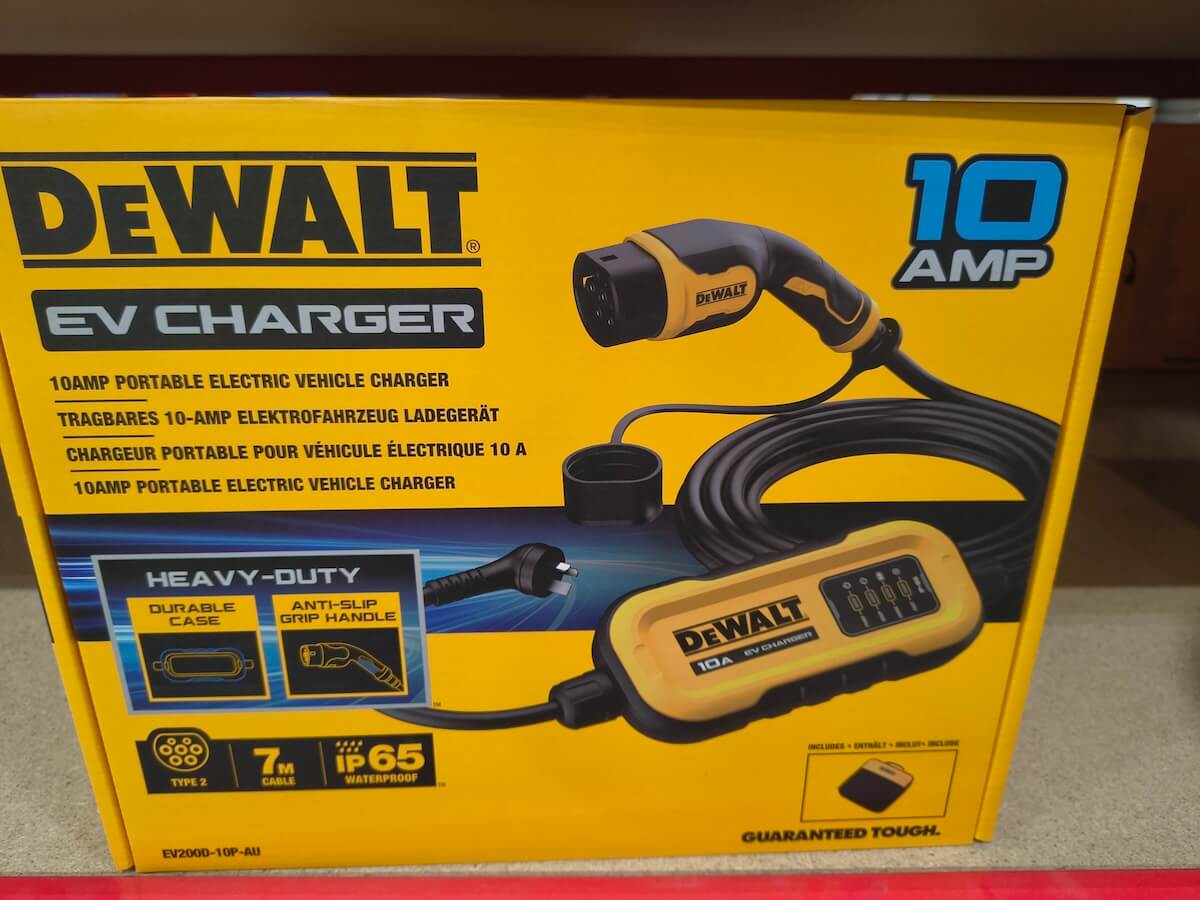
| Mode 2 cable + suitable 10 amp power point | $0 if the car includes one. Current 10 amp replacement examples cost about $250–$550. | The cable itself needs no installation. If the existing power point and circuit are suitable, the equipment total is $0–$550. An electrician’s assessment and any new power point, dedicated circuit or wiring work cost extra. |
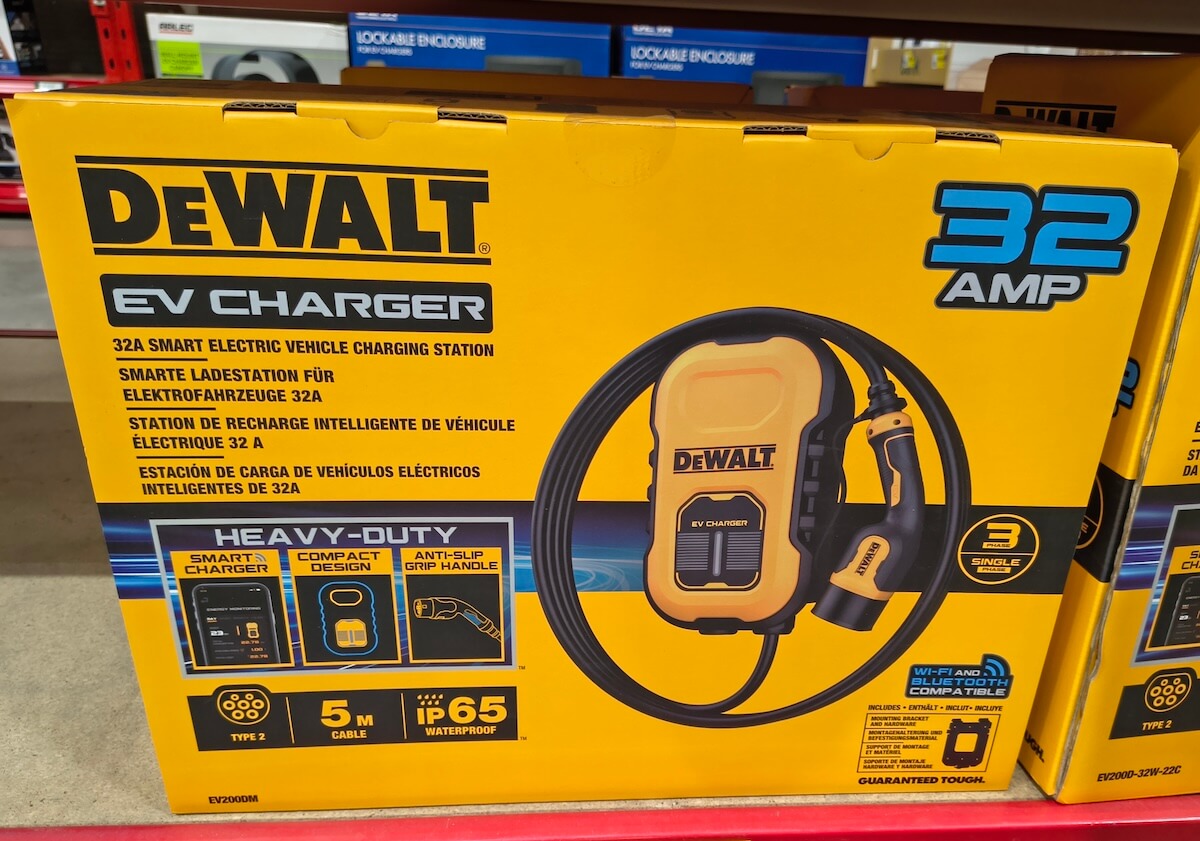
| 7 kW Mode 3 wallbox | Current hardware examples run from about $800 for a straightforward smart wallbox to about $1,545 for a solar-aware unit. | A licensed electrician must install a dedicated circuit. Allow about $2,000–$2,500 all up for the unit and a basic installation. A long cable run, switchboard upgrade, trenching, load management or three-phase work can push the total higher. |
The electricity cost is the same at the same tariff. A wallbox charges faster but uses the same energy. It can lower the bill only when its extra speed or smart controls let you use a cheaper off-peak window or surplus solar.
Get an itemised quote showing the wallbox price, installation, cable-run allowance, switchboard work and any load-management or three-phase costs. That makes it possible to compare quotes with each other and with the real $0–$550 starting point of a Mode 2 cable.
State rebates and incentives: Victoria, New South Wales and the ACT have offered rebates or subsidies on home EV charger installation. Check the Australian Government EV charging page and your state energy authority's website for current programmes — these can meaningfully reduce the all-up wallbox cost.
Two things worth knowing
- Your weekly pattern matters more than the total: 50 km every day is easier for a slow charger than one 250 km day followed by short days. Size your home setup for your typical week — public chargers cover the occasional heavy one.
- The car can limit charging speed: some EVs accept less than 7 kW at home even with a 7 kW wallbox fitted. Check your model's AC charging rate before buying hardware.
Safe home EV charging
EV charging is a sustained electrical load — typically four to eight hours at a stretch. Before relying on a power point for regular charging, look for any of the following warning signs and mention them to your electrician:
- The power point or plug feels warm after extended use
- The circuit breaker trips during charging
- The wiring is older than about 25 years
- The socket is outdoors, in a garage or near water — weatherproof fittings are required
Always plug directly into the wall — no extension cords or power boards. A wallbox must be installed by a licensed electrician. Stop using any damaged equipment and follow the vehicle and charger instructions.
Common home-charging questions
Will slow charging from a power point damage the battery?
No. Slow AC charging is gentle on lithium-ion batteries. The wear comes from heat and repeated very fast DC charging (the kind used at public rapid chargers) — not from a quiet overnight charge at home.
Are a Mode 2 cable, granny cable and portable charger the same thing?
Usually, yes. All commonly describe the portable lead with a control box that connects an EV to a power point. “Mode 2” is the technical connection method; “granny cable”, “granny lead”, “mobile connector”, “portable charger” and “trickle charger” are common informal names. Check the plug, current rating and vehicle connector rather than relying on the nickname.
Will a 7 kW home charger always charge at 7 kW?
Not always. The wallbox, the car and the home's electrical supply can all limit the actual speed. Some cars accept less than 7 kW at home, and some homes may not support the full rate without electrical upgrades.
Do renters or apartment residents need a wallbox?
Not necessarily, but the path is more involved than for a freestanding home. Key things to work through:
- Permission: A wallbox on common property or a shared car park requires body corporate or owners corporation approval. Request this in writing before purchasing hardware.
- Metering: Shared electrical circuits make it harder to bill charging back to your unit. Some buildings use sub-metering or a separate dedicated circuit; your body corporate secretary or strata manager can advise.
- Renters: Your landlord's permission is required for any fixed installation. Some states include EV charger access in renter rights discussions — check your state's tenancy authority for current rules.
- Portable charging: If a dedicated circuit is not possible, a portable Mode 2 cable from a suitable power point in the car park — with the landlord or body corporate's consent — is a common interim solution.
Assumptions and sources
- Australian Government: Definitions for electric vehicles — common names including granny charger, trickle charger, Level 1 and Level 2.
- ARENA: V2X.au summary report — IEC Mode 2 and Mode 3 definitions.
- Australian Government: How to charge your electric vehicle — home options, charging power and safe cable guidance.
- RACV: Installing an electric car home charger — $2,000–$2,500 budget for a wallbox and basic installation, plus installation variables.
- Supercheap Auto: EV charging range and Tesla Australia: Mobile Connector — current 10 amp Mode 2 cable examples.
- Tesla Australia: Gen 3 Wall Connector and myenergi Australia: zappi — current wallbox hardware examples.
ChooseEV assumes 18 kWh/100 km including charging losses, a 1.8 kW power-point rate and a 7 kW wallbox. These are editorial assumptions, not a result for a particular car or property. Retail prices can change and installation requires a property-specific quote. Cost guidance and sources were checked 14 July 2026.