Make sure you're comparing the same thing
Check which range test was used, the model grade, battery and wheel size before comparing two range figures. A city result for one car and a combined result for another is not a fair contest.
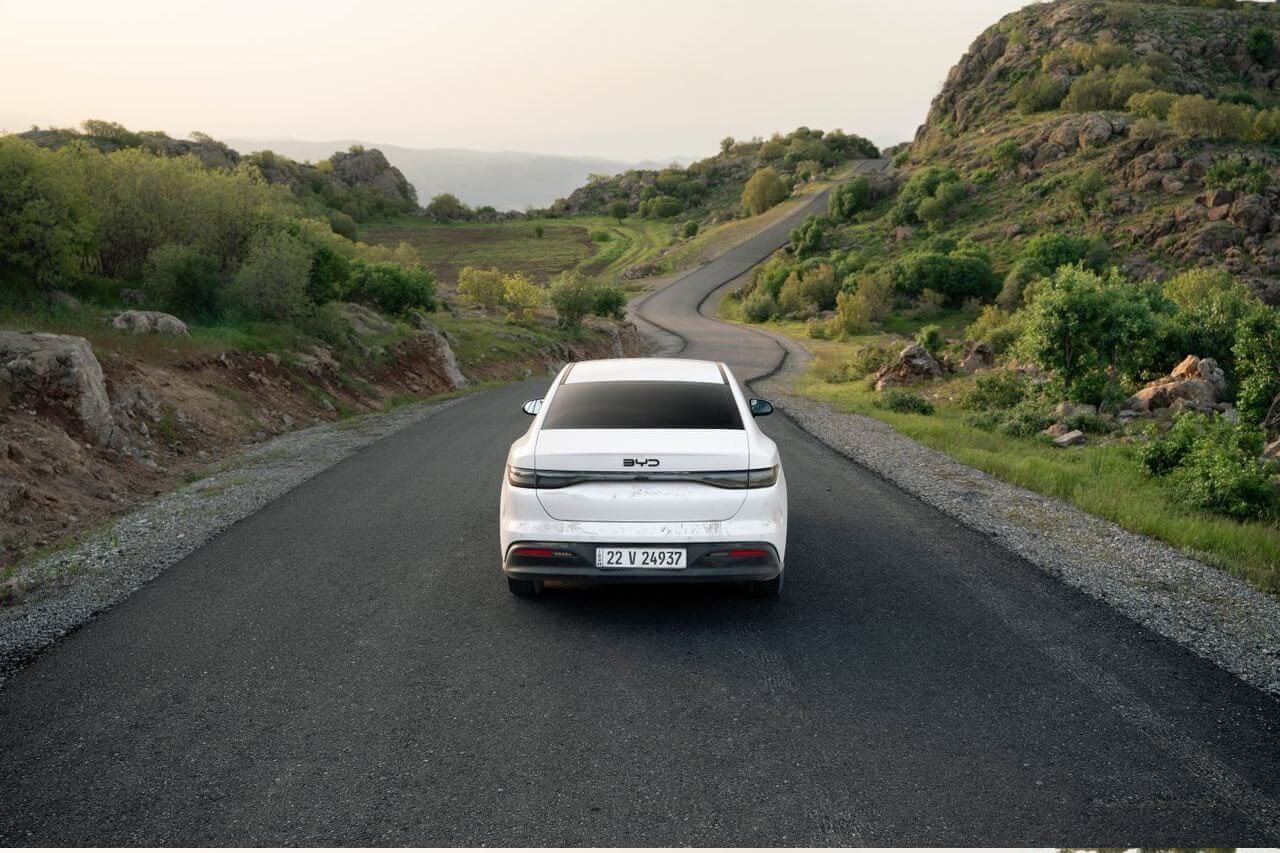
Why might a brochure show a different number?
Australian manufacturers advertise a WLTP combined figure — but three things can make two figures hard to compare directly:
- Test standard — older reviews or grey-import specs may use NEDC, an earlier test that typically produces higher numbers than WLTP.
- Overseas vs Australian variant — the same model can arrive in Australia with a different battery size, making an international review figure irrelevant.
- Grade, wheels and battery — a different trim level or wheel size on the same model can produce a noticeably different official range.
Always use the Australian specification sheet or the Australian page of the manufacturer's website. If a dealer's website shows a higher number, check which test standard and variant it refers to.
From the brochure number to a road-trip plan
ChooseEV applies the same rule to every car: trim 15% off the official range for highway driving, then leave a battery buffer at the end. It's deliberately conservative and consistent — not a claim that every EV loses exactly 15% on every highway. Independent testing by the Australian Automobile Association found real-world range runs 3% to 31% below official figures depending on the car and conditions, so a cautious adjustment is a sensible starting point.
What can change your road range?
| What changes | Plain-language effect |
|---|---|
| High speed | The car pushes through more air, so sustained freeway driving usually uses more energy than slower urban driving. |
| Weather and hills | Headwinds, low temperatures, rain and long climbs can shorten the distance available. |
| Passengers and luggage | Extra weight and roof-mounted equipment make the car work harder. |
| Heating and cooling | The cabin and battery systems use energy too, particularly in demanding weather. |
| Wheels and tyres | Larger wheels can reduce the official range of an otherwise similar variant. |
How much battery should you leave when you stop?
The battery you plan not to use is often called an arrival reserve. Ten per cent is a calm starting point on a familiar route with several charging choices. Use more when the weather is poor, alternatives are sparse or the route is unfamiliar. Five per cent leaves little room for a busy, unavailable or incompatible charger.
How much range do I actually need?
| Your situation | What actually matters |
|---|---|
| Daily commute under 60 km | Any EV with home charging works. Range is not the limiting factor. |
| Weekend drives and day trips | A planning estimate above 200 km covers most Australian day trips without a charge stop. |
| Long intercity trips (e.g. Melbourne to Sydney) | You will stop to charge regardless of which car you drive. Charger locations and compatibility matter more than a higher range number. |
Does a longer-range version remove a stop?
Sometimes. More often, it moves the stop or gives you more backup choices. If both versions comfortably reach the break you already want, charging speed and reliable alternative sites may matter more than another 40 km of range.
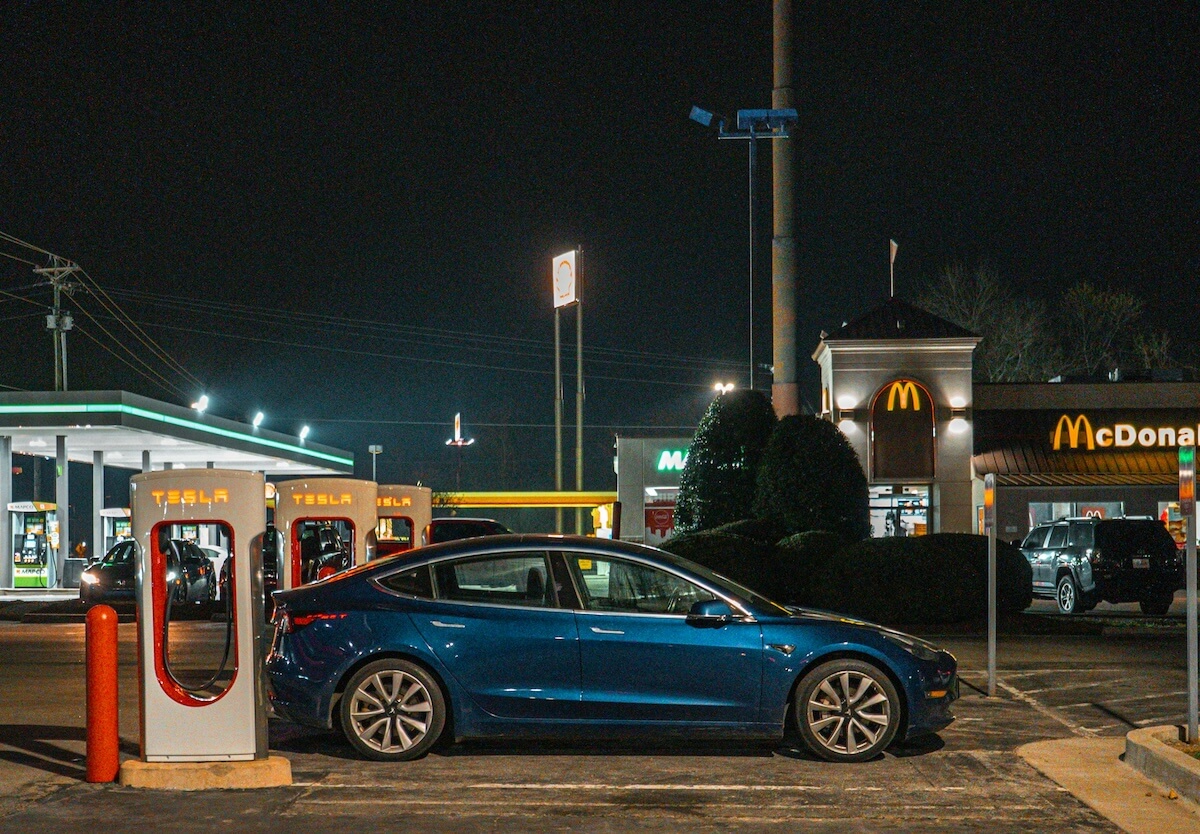
Practical planning questions
Do the times in the chart include charging stops?
No — driving time only. Charging time depends on the charger, the car, battery temperature, and how much you add. Allow at least 20–30 minutes for a useful charge at a fast charger.
What if the charger is broken or busy when I arrive?
It happens. This is why always have an option B. Before any long trip, identify at least one backup charger within range of each planned stop. A Better Route Planner (ABRP) and PlugShare both show charger locations and real-time availability, and are updated by the EV community. Check your planned stops on one of these before you leave and again on the day.
Does cold weather really drain the battery?
Yes, but Australia's climate makes it a minor concern for most drivers. Cold temperatures slow the chemical reactions inside the battery, which can reduce range — most noticeably below about 10°C. In practice, a winter morning in Melbourne or Canberra might cost you 10–15% more energy than a mild day. The cabin heater (if it draws from the main battery) also has a small effect. If you are travelling to alpine areas in winter, build in an extra buffer and plan a charge stop earlier than you normally would.
How do I plan a real-world road trip in my EV?
A Better Route Planner (ABRP) (website and app) accounts for your car, battery level, speed, elevation and real charger locations. Key settings to get right:
- Car model and variant — use your exact trim so ABRP has the right battery size.
- Arrival charge level — set 10–15% minimum at each stop as a buffer.
- Charge to level — the default 80% is usually faster than a full charge; only raise it if you need the extra range on a specific leg.
- Networks — filter to charger networks your car is compatible with.
On the day, confirm charger availability on the network's own app — ABRP data is community-updated and reliable, but a quick check catches anything recently out of service.
Assumptions, sources and vehicle notes
ChooseEV calculation: published combined WLTP × 0.85 highway-planning factor × the usable share after the selected battery reserve. At the default 10% reserve, 500 × 0.85 × 0.90 becomes 383 km after rounding.
The estimate starts at 100% and does not model temperature, wind, elevation, speed, passengers, luggage, traffic, battery condition or charger locations. Driving-time labels use a 95 km/h moving average and exclude stops. Use the result to compare cars, not to navigate.
General advice follows the Australian Government’s EV trip-planning guidance. Australian range labels are transitioning to WLTP-based requirements; see the Department of Infrastructure’s fuel consumption label guidance. Real-world gap figures are from AAA Electric Vehicle Range Testing.
- Geely EX5 MY26 brochure: Complete uses 18-inch wheels and Inspire uses 19-inch wheels.
- Tesla Model 3 Australia: current rear-wheel-drive variants with 18-inch wheels.
- BYD Atto 3 Australian specification sheet: Essential and Premium combined WLTP.
- Hyundai Kona Electric Australia: the 505 km Extended Range figure uses 17-inch wheels; Premium Extended Range is 444 km.
- Kia EV3 Australia: Air Standard Range and Air Long Range.
Sources and figures checked 14 July 2026. Specifications can change with model year, grade, wheels and software approval.